
The Pace in Fine art painting 2025
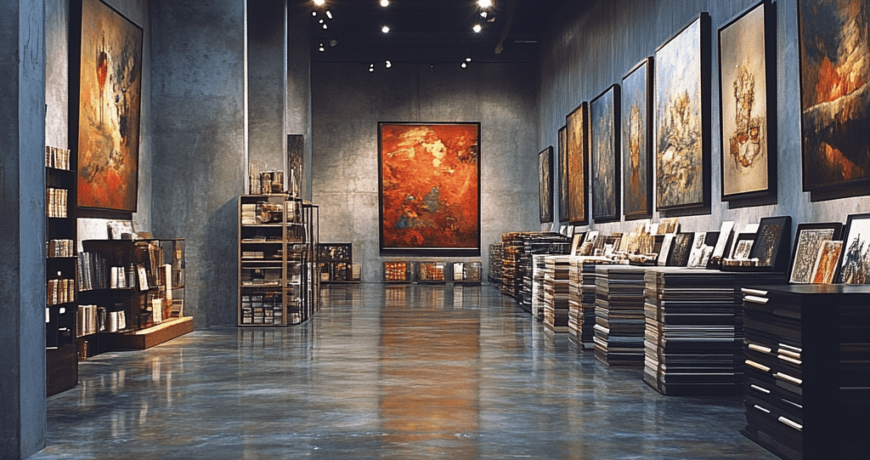
In 2025, the pace in Fine art painting is evolving alongside digital advancements, but traditional techniques remain as vital and valued as ever. While AI and digital tools enable rapid creative exploration, many artists still embrace the slower, meditative process of painting by hand, focusing on texture, depth, and the tactile connection between artist and canvas.
However, modern technology and fast-moving trends have influenced even physical painting. Here’s how:
1. Fusion of Traditional and Digital Techniques
Many contemporary painters start with digital sketches or AI-generated concepts before translating them into physical works. Hybrid techniques—such as projecting digital compositions onto canvases or using laser-cut stencils—help speed up the creative process while maintaining a handcrafted feel.
2. Speed vs. Intentionality
While digital artists can generate and modify works instantly, traditional painters still dedicate hours, days, or even months to perfecting a single piece. However, market demand and social media exposure are pressuring some painters to work faster, leading to more expressive, gestural, and immediate painting styles.
3. Materials and Sustainability
The push for eco-friendly, sustainable materials is transforming physical painting. Many artists now use non-toxic pigments, recycled canvases, and biodegradable mediums, reducing their environmental impact. This shift is influencing the pace of painting, as artists experiment with new materials and techniques.
4. Live and Interactive Painting
With art becoming more experiential, many painters are showcasing their process in real time through live-streamed sessions, in-gallery performances, and AI-assisted projections that evolve as they paint. This not only changes how paintings are created but also how audiences engage with them.
5. The Demand for Custom and Commissioned Work
In an era of mass-produced digital art, there is a growing demand for unique, handcrafted pieces, leading to an increase in commissioned paintings. Many artists are balancing personal projects with custom orders, requiring them to adapt their workflow to maintain both creativity and efficiency.
While the digital revolution is shaping the broader art world, physical painting continues to thrive as a timeless, immersive, and deeply personal form of artistic expression. Artists in 2025 are finding ways to blend tradition with innovation, ensuring that the soul of painting remains intact, even in a fast-paced world.


There are no comments